The most detailed English language website on the island

Weather - Tutiempo.net
     

After more than 20 years, posts here will now only be occasional (see why) for big events such as Tenerife Carnaval, so please "Like" and follow our Facebook Page to get future updates.

Showing posts with label Flavours of Carnival. Show all posts

Wednesday, 2 March 2022

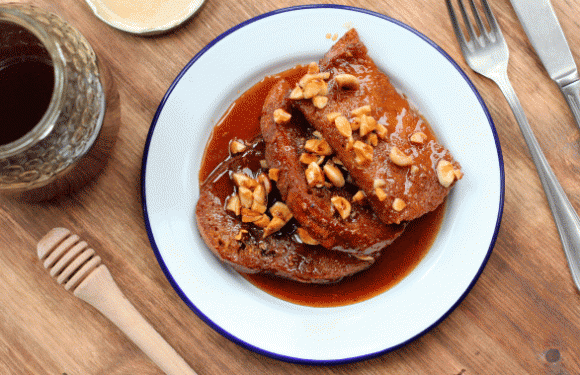
Sopas de miel, typical recipe from La Palma to celebrate the sweetest carnival

Sopas de miel

This dish, Sopas de miel, which is typical of La Palma, as Sheila, who lives on the island, explains, "A literal translation would be “honey soup” but as you can see, this isn’t soup. It can be rather soggy, though." She adds that she believes that, in some places they use honey, but on La Palma, it’s always “miel de cana” (Sugar Cane Molasses), which is like black treacle or molasses, but a little runnier.

Ingredients

60g toasted almonds
200 ml molasses or cane syrup
1 tablespoon anise
Zest of half a lemon
1 tablespoon ground cinnamon
Sliced stale bread
half a glass of water

We start by putting the almonds on a wooden board and chopping them irregularly with a knife, making sure that they are not too crushed, but that there are some larger pieces than others. Cut the bread into slices and reserve it.

In a wide and low saucepan, put the honey, the water, the anise, the lemon zest and the cinnamon and place it on the heat. When it starts to boil, add the chopped almonds and the slices of bread, letting them soak well into the mixture, turning them over and then placing them in a shallow bowl to serve.

Tuesday, 1 March 2022

An Assortment of Carnival Biscuits

An Assortment of Carnival Biscuits

Here from the lovely people at the Municipal Market in La Laguna, via La Laguna Ahora, is an assortment of biscuits with something different for almost every day of the carnival period. The assortment of carnival or tea pastries consists of 8 biscuits of different flavours and aromas, but all circular in shape. Each has its own name, according to the name of a carnival or Lent day.

Ingredients:

170 gr butter
100 gr white sugar
1 pinch salt
2 egg yolks
300 gr flour

Method:

First make a base dough from which to prepare all of the varieties. Make the base dough by mixing the butter, the sugar, the salt, the yolks and the flour (sifted). Knead until all the ingredients are fully integrated. Divide the dough into 8 equal parts, and from here we are going to prepare each variety of the carnival or Lenten tea pastries.

Viernes de Carnaval (Carnival Friday): With the aroma of vanilla, a crunchy texture and decorated with icing sugar. Add vanilla to one portion of the base dough, knead to combine the vanilla flavour, wrap in film and rest in the fridge for 40 minutes. Make 10 gr balls and flatten them onto non-stick paper trying to give them a circular shape and with a thickness of 1/2 centimetre. Bake at 200º for 7 minutes and, when they are cold, sprinkle with icing sugar.

Sabado de Carnaval (Carnival Saturday): With an almond flavour, crunchy texture and decorated with half an almond. Add ground or grated almonds to a portion of base dough, knead, wrap in film and leave to rest in the fridge for 40 minutes. Make 10 gr balls and flatten them onto non-stick paper trying to give them a circular shape and with a thickness of 1/2 centimetre and decorate with half an almond. Bake at 200º for 7 minutes.

Domingo de Carnaval (Carnival Sunday): With cherry flavour and crunchy texture. Take a portion of base dough, knead, wrap in film and let it rest in the fridge for 40 minutes. Make 10 gr balls and squash them onto non-stick paper trying to give them a circular shape and with a thickness of 1/2 centimetre. Add half a glace cherry in the centre of ​​the cookies and bake them at 200º for 8 minutes.

Lunes de Carnaval (Carnival Monday): With creamy chocolate and a crunchy texture. Te take a portion of base dough, knead, wrap in film and let it rest in the fridge for 40 minutes. Make 10 gr balls and squash them onto non-stick paper trying to give them a circular shape and with a thickness of 1/2 centimetre. Form them into cases or small baskets to hold the chocolate filling and bake blind with chickpeas inside. Bake at 200º for 7 minutes and, meanwhile, prepare the chocolate cream.

Chocolate cream: 25 grams of dark chocolate, 25 grams of liquid whipping cream. Bring the liquid cream to a boil and add the chocolate. Remove from the heat and stir until the chocolate is fully integrated with the cream. Place the cream in a pastry bag or syringe and, when the pasta is cooked, remove the chickpeas, and fill them with the chocolate cream.

Martes de Carnaval (Shrove Tuesday): With orange flavour and a crunchy texture on the outside. Grate an orange and squeeze half. Take a portion of base dough and mix well with the zest and juice. Add a couple of tablespoons of wheat flour and knead until you get the right texture (that doesn't stick to your hands). Wrap in film and let it rest in the fridge for 40 minutes. Make 10 gr balls and squash them onto non-stick paper trying to give them a circular shape and with a thickness of 1/2 centimetre. Bake at 200º for 8 minutes.

Miércoles de Ceniza (Ash Wednesday): With lemon flavour and a crunchy texture on the outside. Grate a lemon and squeeze half. Take a portion of base dough and mix well with the zest and juice. Add a couple of tablespoons of wheat flour and knead until you get the right texture (that doesn't stick to your hands). Wrap in film and let it rest in the refrigerator for 40 minutes. Make 10 gr balls and squash them onto non-stick paper trying to give them a circular shape and with a thickness of 1/2 centimetre. Bake at 200º for 8 minutes.

Primer Viernes de Cuaresma (First Friday of Lent): With a hint of cheese flavour, smooth texture and decorated with edible pearls. We take a portion of base dough and mix well with a generous scoop of cream cheese. Add a tablespoon of wheat flour and knead until you get the right texture (that doesn't stick to your hands). Wrap in film and let it rest in the fridge for 40 minutes. Make 10 gr balls and squash them onto non-stick paper trying to give them a circular shape and with a thickness of 1/2 centimetre. Finally decorate them by placing an edible pearl (cake decoration) in the centre and bake them at 200º for 8 minutes.

Domingo de Piñata (Piñata Sunday): With intense cinnamon flavour, crunchy texture and decorated with cinnamon powder. Add ground cinnamon to a portion of the base dough, knead well so that it obtains all the flavour and colour of the cinnamon, wrap in film and let it rest in the refrigerator for 40 minutes. Make 10 gr balls and crush them onto non-stick paper trying to give them a circular shape and with a thickness of 1/2 centimetre. Bake at 200º for 7 minutes and, when they are cold, sprinkle with ground cinnamon.

These can also be made on Viernes de Dolores (Friday of Sorrows) - the Friday before Palm Sunday - to eat until the early hours of Good Friday, with chocolate. 

Monday, 28 February 2022

Rebanadas de Carnaval (French Toast)

Rebanadas de Carnaval or Torrijas

In much the same way that the British traditionally eat pancakes on Shrove Tuesday to use up items before Lent begins, possibly the most popular in the Canary Islands are Rebanadas de Carnaval also known as Torrijas.

Ingredients:

1 'yesterday's' Canarian loaf (pan normal) - any stale crusty white bread like a French stick or baguette will do just as well
1 egg
1 cup of milk 
Sugar 
Ground cinnamon.

Method:

Slice the bread into 1/2 to 3/4 inch slices and discard the ends. Beat the egg, milk and cinnamon together in a bowl then soak the bread slices briefly in the mixture. Lift them carefully and fry gently in oil in a shallow frying pan, turning once. Remove when golden, arrange on a plate and sprinkle with sugar.

This a great way to use up stale bread at any time.

More Flavours of Carnival:

Sunday, 27 February 2022

Tortitas de Carnaval (Carnival Pancakes)

Tortitas de Carnaval

Whilst I've made Torrijas or Rebanadas de carnaval (basically French Toast), those are only one of a whole range of carnival delicacies in the Canary Islands designed to use up those last bits of "naughty food" before Lent. 

And one dish that is quite close to the British tradition of making pancakes on Shrove Tuesday are these Tortitas de Carnaval (Carnival Pancakes). 

Despite the name, this dessert is not made only during carnival, but the recipe is rooted in the days when, for carnival, people dressed in old clothes (men as women and women as men) and went from house to house where they were offered carnival tortitas and arroz con leche (rice pudding). The children disguised themselves during the day and went knocking door to door to ask for eggs to make the famous tortillas, a tradition that is still maintained in some villages of the islands. The pancakes, like many products of Canarian cuisine, don't have just one single recipe and different cooks will add different ingredients to give them a different flavour. These pancakes arrived in La Laguna with students in the 60s and are typical of the Carnival in Gran Canaria.

Ingredients:

(12 portions)

6 eggs
1/2 kg of sugar
400 gr of flour
zest of 1 lemon
1/2 l of milk
100 ml anise
3 tablespoons of honey
olive oil
1 cinnamon stick

Method

Separate egg whites and yolks.

Beat the whites with a stick blender. When they begin to form peaks, add the rest of the ingredients, little by little while continuing to beat. First add the sugar, then egg yolks, flour, anise and milk. Add the lemon zest and let the batter rest.

To make the tortitas, pour small portions of batter into a pan with plenty of hot oil. When they are done on one side, turn them over so they cook on the other.

Add the cinnamon stick to the honey to infuse it and warm slightly. Mix the honey with a splash of olive oil and pour it over the tortitas. Serve.

La Laguna Ahora con la Cocina del Carnaval a la Cuaresma: Tortitas de Carnaval

Saturday, 26 February 2022

Buñuelos de Carnaval (Carnival Fritters)

Buñuelos de Carnaval - Carnival fritters

Buñuelos de Carnaval (Carnival Fritters), which we'd like to think are full of carnival flavour, or it might be just alcohol. "Carnival fritters are an essential recipe for these dates," we're told. "It is a traditional Carnival sweet that has a number of incredibly good properties. The joy of the party will be translated into fried donuts that will delight everyone, with very simple ingredients. One of the great "secrets" of this sweet is the two tablespoons of cognac or other liquor that we are passionate about gives it. [Personally, I'd say rum would be more typical of the fiestas.] It will seem they are taken from another dimension."

Ingredients:
4 large eggs
250 ml milk
150 gr of flour
90 gr of white sugar
2 tablespoons brandy [or rum, or whatever]
1 teaspoon yeast
Sunflower oil
Icing sugar to decorate

Method:

Separate the egg yolks from the whites and beat the whites until stiff. Place the egg whites in the fridge to rest for about 10 minutes.

Add half the sugar to the egg whites, little by little. The idea is to not decrease the volume.

In another bowl, mix the egg yolks with the milk. Add a splash of cognac or other liquor (anise is also an option that will give a very traditional flavour).

Add the other half of the sugar, the sifted flour and yeast to this mixture and beat well. There should not be any lumps, to achieve a light and uniform dough.

Fold the beaten egg whites into the yolk mixture with care and enveloping movements so that it maintains the maximum possible fluffiness. Let this dough rest for about 30 minutes before starting to create the fritters.

In a frying pan, heat the oil over medium heat. With two spoons, shape the fritters and drop them into the oil to fry them (best done in small batches so as not to cool the oil).

When they are ready, remove from the oil and place them on absorbent paper to remove the excess. Dust with a little icing sugar and serve. 


Friday, 25 February 2022

Tortilla de calabaza (Pumpkin omelette)

Tortilla de calabaza (Pumpkin omelette)

Pumpkin omelette is prepared in practically the same way as the traditional potato omelette Tortilla Española (Spanish Omelette), simply substitute the potato for the pumpkin, which gives a rich touch to this omelette and it is spectacular. 

Apparently popular around carnival time, as pumpkin or squash is also one of your 5-a-day, that probably makes it the only healthy dish of the season.

Ingredients

  • 600 gr of pumpkin
  • 5 eggs
  • 4 cloves of garlic
  • Pimentón dulce (Sweet paprika)
  • 2 tablespoons olive oil
  • Salt

How to make pumpkin omelette

  1. Cut the pumpkin into small cubes and put them in a microwave-safe container. Cover and cook the pumpkin in the microwave for 3 minutes at maximum power.
  2. Beat the eggs in a bowl together with a pinch of salt. 
  3. Heat a tablespoon of olive oil in a pan and add the previously peeled garlic. When the oil warms up, add the pumpkin, mix and add salt to taste.
  4. Sauté the squash for a few minutes until tender, stirring occasionally. Remove from the heat and remove the garlic cloves. Add the pumpkin to the beaten eggs and mix it well.
  5. Continue heating another tablespoon of oil in a pan over medium heat. When the oil is hot, add the pumpkin and beaten egg mixture, spread the pumpkin over the pan.
  6. After a few minutes and when the base of the tortilla is set, turn the tortilla with the help of a plate or lid with a smooth surface. Slide the tortilla back in the pan and continue cooking until it is to your liking. 

Receta de tortilla de calabaza